
Buyer's guide

Pallet grades, explained, and what a pallet really costs.

Two suppliers can quote the same grade and ship very different pallets. This guide shows how we grade, what to check when a load arrives, and how to compare quotes by the cost of pallets you can actually use.

  • Written grade standard
  • Sample approved before the first load
  • Rejects replaced or credited
  • Compare by cost per usable pallet
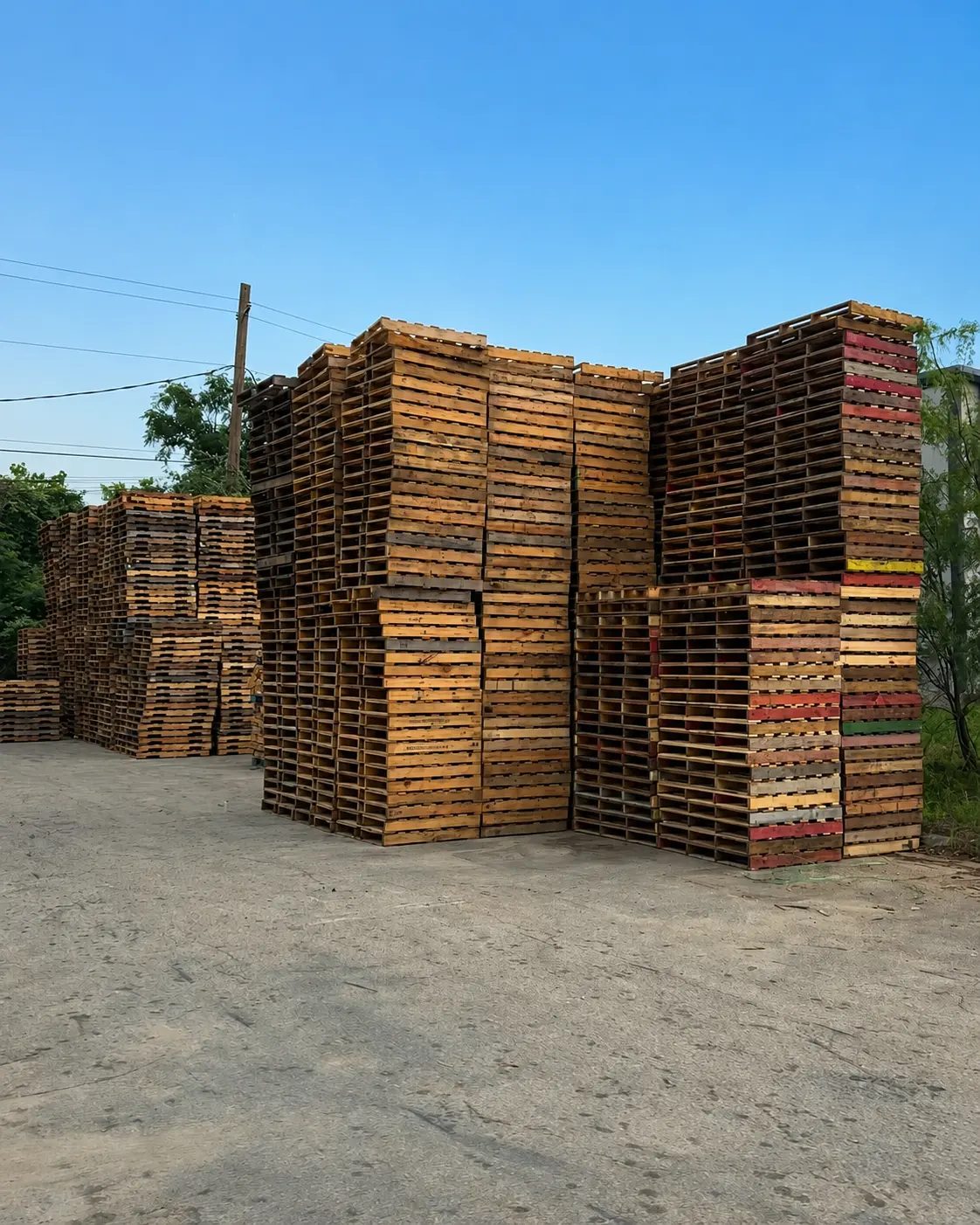
Graded recycled pallets stacked at the Pallet Bros. yard

Why grades vary from supplier to supplier

There is no single legal definition of a #1 or #2 recycled pallet. Each yard sets its own line, and loose grading is the most common complaint buyers have. We write our standard down, agree a sample with you, and grade every load against it.

  • #1: clean appearance, no visible stringer repairs, ready for racking and automated lines
  • #2: structurally sound, with plated or companion-boarded stringers, best for one-way and floor-stacked freight
  • New: built to your drawing or GMA spec when appearance, strength, or food safety matter most

What to check when a load arrives

Pull a few pallets from different stacks, not just the top of the first one. A quick check takes minutes and protects the rest of your shipments.

  • Stringers: no cracks running past a third of the length, no unplated breaks
  • Deck boards: none missing or split through, lead boards intact
  • Fasteners: no protruding nails that can tear stretch wrap or product
  • Count: full count per stack, matched to the delivery ticket

Compare cost per usable pallet, not sticker price

A cheaper pallet costs more if you have to sort out rejects, re-stack loads, or pay for damaged freight. To compare quotes fairly, divide what you pay for a load, including delivery, by the number of pallets you could actually use.

  • Cost per usable pallet = (load price + delivery) ÷ usable pallets
  • Add the labor your team spends sorting out bad pallets
  • Subtract buy-back credit for your empties when a supplier offers it

Questions

What buyers ask us most.

Which grade should I buy?

Use #1 for racking, automation, or customer-facing loads. Use #2 for one-way shipments and floor-stacked freight. Choose new when you need a custom size, maximum strength, or food-grade lumber.

What happens if a load does not meet the grade?

Tell us with a photo. We replace or credit pallets that miss the standard we agreed with you.

Can I see a sample before ordering?

Yes. We set a sample standard with you before the first load so both sides know exactly what to expect.

Do heat-treated pallets cost more?

Heat treatment adds a step, so ISPM-15 stamped pallets usually cost a little more. You only need them for export freight.

Tell us what you haul. We’ll spec the pallet.

Send dimensions, weight, and volume. We come back with pricing and lead time.

Request a quote